220/12 Moore St,
Canberra ACT 2601
Canberra ACT 2601
Trust our team of water damage repair experts to restore your property swiftly and efficiently. We provide 24/7 emergency services to get your home or business back to normal in no time.
IICRC Certified Technicians
Fully Licensed & Insured
Insurance Claim Documentation Provided
Advanced Drying & Moisture Mapping
Available 24/7 Across Canberra
In Canberra, water damage is a problem of extremes. Our distinct four-season climate presents unique challenges that differ from coastal cities. A winter cold snap dropping to -7°C can freeze and burst uninsulated copper pipes in the roof cavity of a 1980s Kambah home. A summer thunderstorm can overwhelm gutters blocked by autumn leaves from established street trees in Yarralumla, forcing water into ceiling spaces.
Canberra’s housing stock presents its own set of vulnerabilities. The red brick homes of the Inner North and Woden Valley, built from the 1960s onward, often have inadequate sub-floor ventilation. This turns a minor plumbing leak into a long-term source for wood rot and mould. Newer apartment buildings in Gungahlin and Belconnen can suffer from water migrating between units due to failed waterproofing membranes in bathrooms, a common defect that contravenes AS 3740 standards.
Much of the Canberra region is built on reactive clay soils. During dry spells, this soil shrinks, and during wet periods, it expands. This movement can cause concrete slabs to shift, cracking plumbing lines and allowing water to seep into foundations, a problem we frequently document in suburbs from Casey to Banks.
Our IICRC-certified technicians are based in Canberra and operate under the strict guidelines of the AS/NZS S500 standard for professional water damage restoration. We understand that a slow leak in a double-brick wall in Forrest requires a different drying strategy than a flooded basement in a modern Molonglo Valley home. We arrive with the technical knowledge and equipment for the ACT’s specific environmental and structural challenges.

24/7 Emergency Response
We operate around the clock across the entire ACT and Queanbeyan region. When a flexi-hose fails in your apartment or a roof leak appears, you speak directly to a local technician who understands the urgency.

Specialised Equipment for a Dry Climate
We deploy high-performance Low-Grain Refrigerant (LGR) dehumidifiers like the Phoenix DryMAX XL and Dri-Eaz models. While Canberra is dry, a flooded structure creates its own humid microclimate. LGR units are critical because they continue to pull moisture from materials even in the cooler temperatures of a Canberra winter night, a failure point for conventional units.

Clear Documentation for Insurance
We provide the detailed moisture maps, thermal imaging reports, photographic evidence, and psychrometric drying logs required by Australian insurance assessors for a smooth claim process. We regularly work with major insurers like NRMA, GIO, and AAMI.

Documented Restoration for ACT Insurance Claims
Our process is built around the AS/NZS S500 standard, the science-backed methodology that Australian insurance companies require. We document every action, from the first moisture readings to the final drying validation, ensuring your claim is supported by auditable, professional evidence.
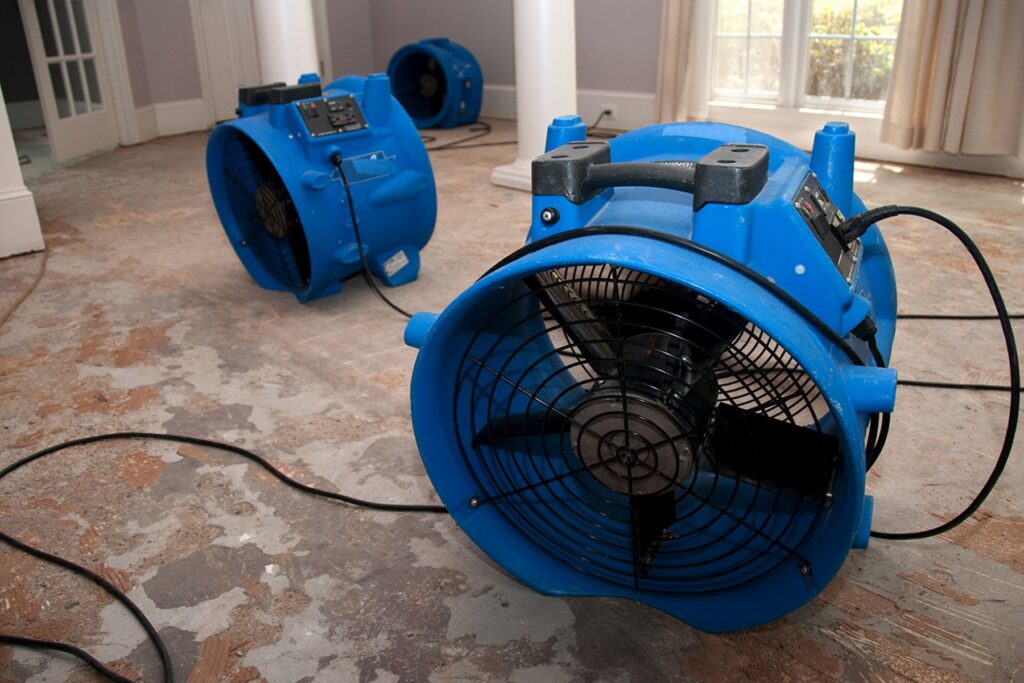
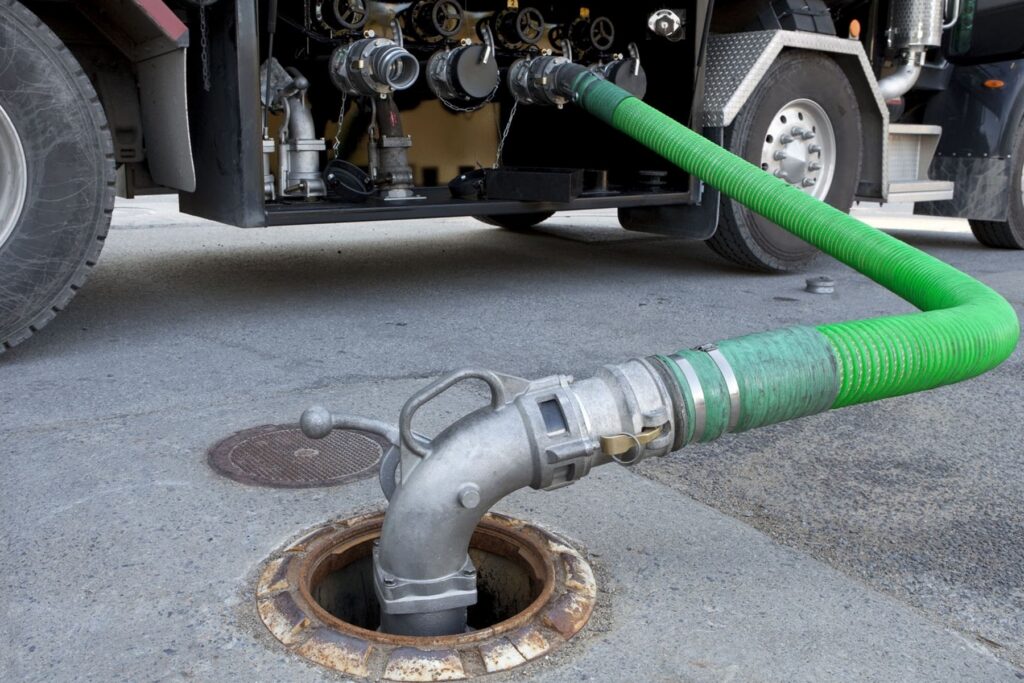
This service involves immediate water extraction and the deployment of applied structural drying systems. The initial 24 hours are crucial to prevent secondary damage, such as the swelling of particleboard kitchen kickers or moisture absorption into Gyprock walls, a common failure point in homes throughout Tuggeranong and Belconnen.
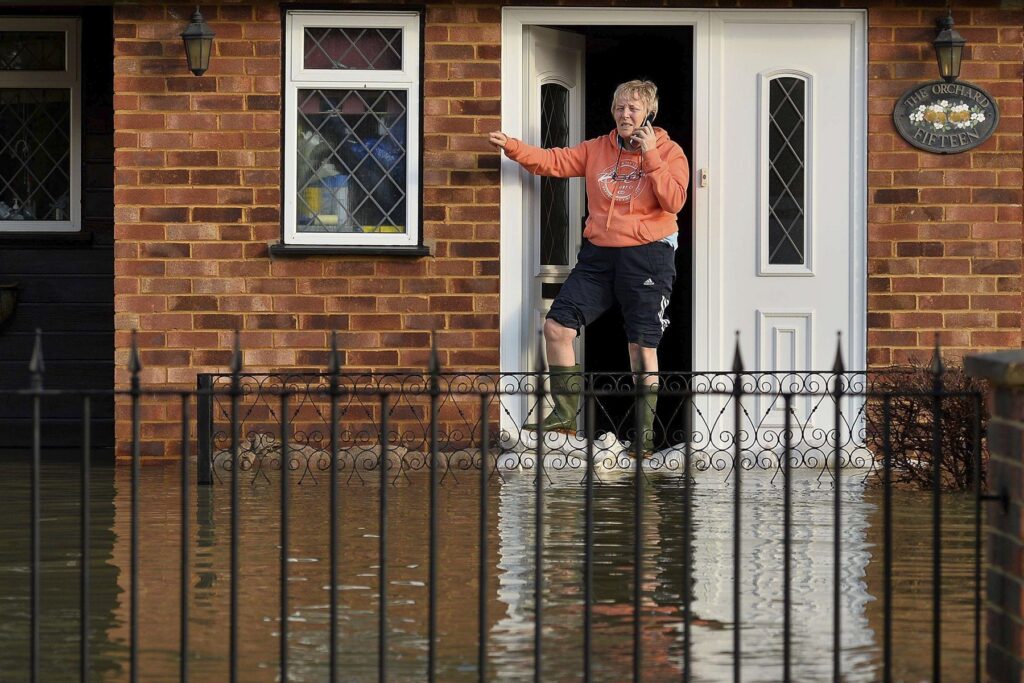
Following inundation from stormwater runoff or flash flooding from local waterways like Sullivans Creek, rapid removal of contaminated water is paramount. We manage the safe cleanup, sanitation, and drying for properties impacted by storm events, from homes in Weston Creek to commercial buildings in Fyshwick.
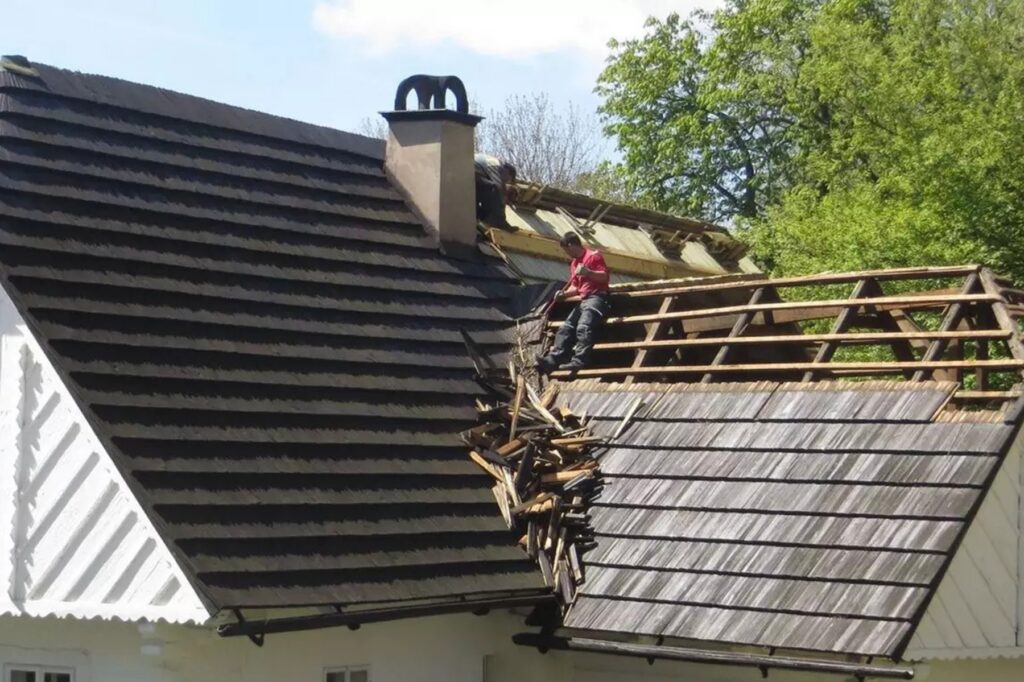
Our teams are prepared for water intrusion from severe thunderstorms that can cause roof damage or overwhelm antiquated stormwater systems. The storm events of 2007 were a reminder of how quickly Canberra can be affected by intense rainfall, with widespread impact on infrastructure and property.
We are trained and equipped to safely manage remediation for structures affected by grey water (Category 2, from appliance overflows) and black water (Category 3, from sewage backflows or overland floodwaters). This involves removing contaminants, treating affected materials, and sanitising all surfaces to restore a safe indoor environment, strictly following IICRC S500 protocols.
We use thermal imaging cameras and non-invasive moisture meters to precisely map hidden moisture saturation within wall cavities and beneath flooring. This data informs the strategic placement of high-velocity air movers and LGR dehumidifiers to create a controlled drying vortex. This scientific approach is essential for drying dense brickwork and concrete slabs common in Canberra construction without causing long-term structural issues.
We have specific, tested protocols for drying materials found across ACT properties. This includes restoring wet carpets in modern townhouses in Franklin, managing the drying of structural timber frames in older Narrabundah homes to arrest decay, and addressing water damage in government and commercial buildings with complex HVAC systems.
Many older Canberra homes, particularly in suburbs like Curtin and Ainslie, suffer from poorly ventilated sub-floor spaces. Water intrusion here often goes unnoticed until musty odours permeate the house. We specialise in accessing and drying these confined spaces, installing ventilation improvements, and treating timber bearers to prevent rot.
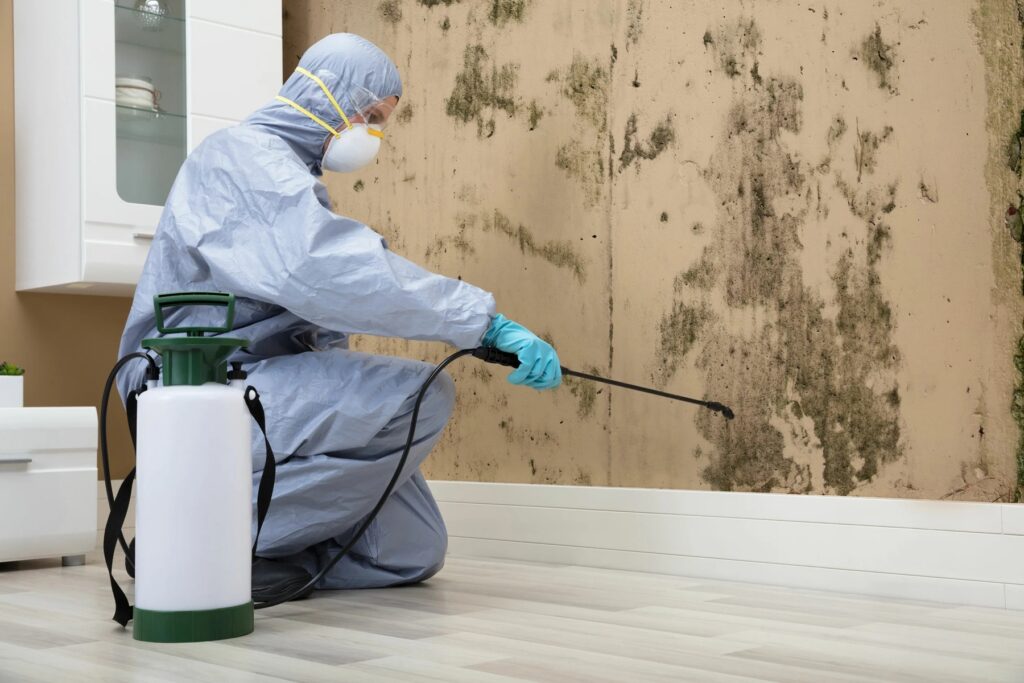
Our IICRC-certified technicians perform mould inspections, establish containment zones to prevent spore circulation throughout your home, and execute safe mould removal according to the AS/NZS S520 standard. Critically, we identify and provide guidance on rectifying the underlying moisture source, which is the only way to prevent regrowth in a climate with cold, damp winters ideal for mould germination.
We have restored hundreds of water-damaged properties for homeowners, businesses, and body corporates across Southern Tasmania.
We provide 24/7 emergency water damage restoration services throughout the Canberra region and surrounding NSW townships. Our primary service areas include:
When you call us, you get a local team that understands Canberra’s layout and can guarantee a rapid response.
Every lead technician on our team holds IICRC certifications in Water Damage Restoration (WRT) and Applied Structural Drying (ASD). This formal, science-based training is essential for our work. We combine this knowledge with years of hands-on experience dealing with ACT-specific problems, from burst hot water systems in suburban garages to complex water ingress in multi-story office buildings in the CBD.
We invest in equipment proven to perform in Canberra’s unique climate, such as Thorair LGR dehumidifiers and HEPA 500 air scrubbers. Our thermal imaging technology allows us to “see” moisture behind walls and under concrete slabs, ensuring we find and remove all trapped water that would otherwise lead to mould or threaten the integrity of reactive clay foundations.
The AS/NZS S500:2025 is the official Australian and New Zealand standard for professional water damage restoration. It is not a set of recommendations, but a formal, scientific framework for assessing, drying, and validating restoration projects. By adhering strictly to this standard, we ensure our work is compliant with ACT building practices, defensible for insurance claims, and effective at protecting the long-term value and structural integrity of your property.


Our team is on standby 24/7. For emergency calls within Canberra, from Gungahlin to Tuggeranong, we typically arrive on-site within 60-90 minutes to begin assessment and extraction. A rapid response is vital to minimise damage, especially when dealing with absorbent materials like plasterboard and carpet underlay.
Your safety is the first priority. If water is near electrical outlets or appliances, turn off the power at the main switchboard. Avoid touching electrical items if you are standing in water. If safe, turn off the mains water supply to stop the flow. Then, call us to begin the mitigation process.
Yes. We have experience working with all major Australian insurers, including NRMA, GIO, AAMI, Budget Direct, and others active in the ACT. We provide all the necessary documentation, including moisture readings and photographic evidence, to support your claim and streamline the process.
Not always. The decision depends on the category of water and the type of carpet. Carpet affected by clean water (Category 1) can often be saved if dried professionally and quickly. However, carpet contaminated by sewage (Category 3) must be removed and disposed of according to health regulations. We will assess and advise on the most effective course of action.
Structural drying is the technical process of removing moisture from building materials like plasterboard, timber frames, and concrete. It involves using specialised equipment like LGR dehumidifiers and air movers to control temperature and humidity, creating an environment where materials can release trapped water and return to their normal moisture content. This is a crucial step to prevent mould and long-term structural damage.
Canberra’s sub-zero winter temperatures can cause water in unprotected pipes to freeze. When water freezes, it expands, putting immense pressure on the pipe, which can cause it to split or burst. This is especially common with copper pipes in exposed walls or uninsulated roof spaces.
Call us now for immediate dispatch. Our local technicians are ready to respond 24 hours a day, 7 days a week, anywhere in Canberra and Queanbeyan.